AC Compressor Failed? Repair vs Replace in New Braunfels
How much does AC compressor replacement cost?
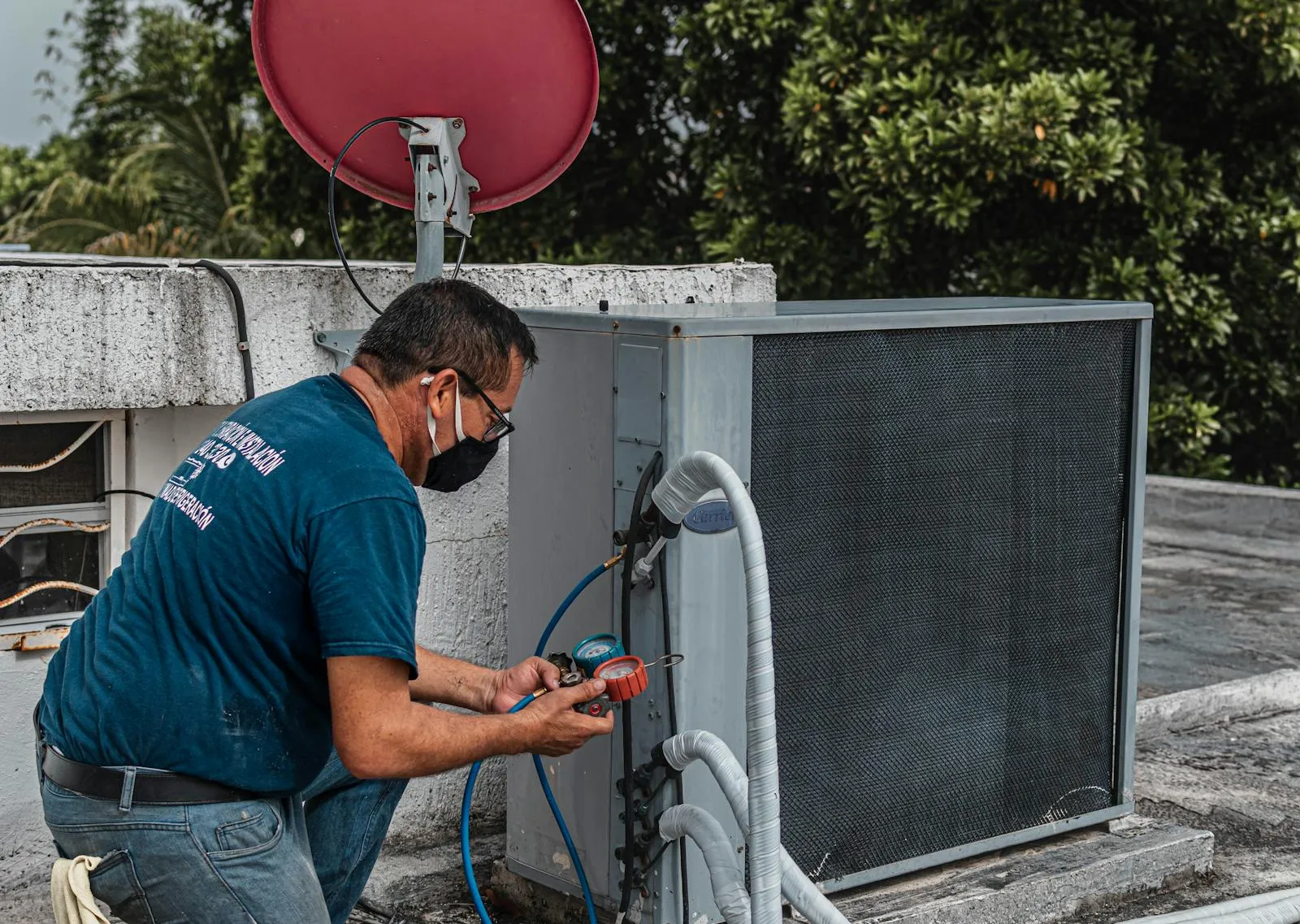
Compressor replacement typically runs $1,200 to $3,000 or more nationally, depending on system tonnage and refrigerant type. Compressor failure often signals broader system stress, so a full diagnostic before committing to a compressor-only repair is essential. Systems running R-410A refrigerant face added cost pressure. Carrier (HVAC replacement cost)
For the regulatory detail behind the R-410A The refrigerant in most pre-2025 systems. Manufacturing of new R-410A systems was banned in 2025, so parts will get scarcer. Full definition phasedown, see the EPA HFC reduction program.
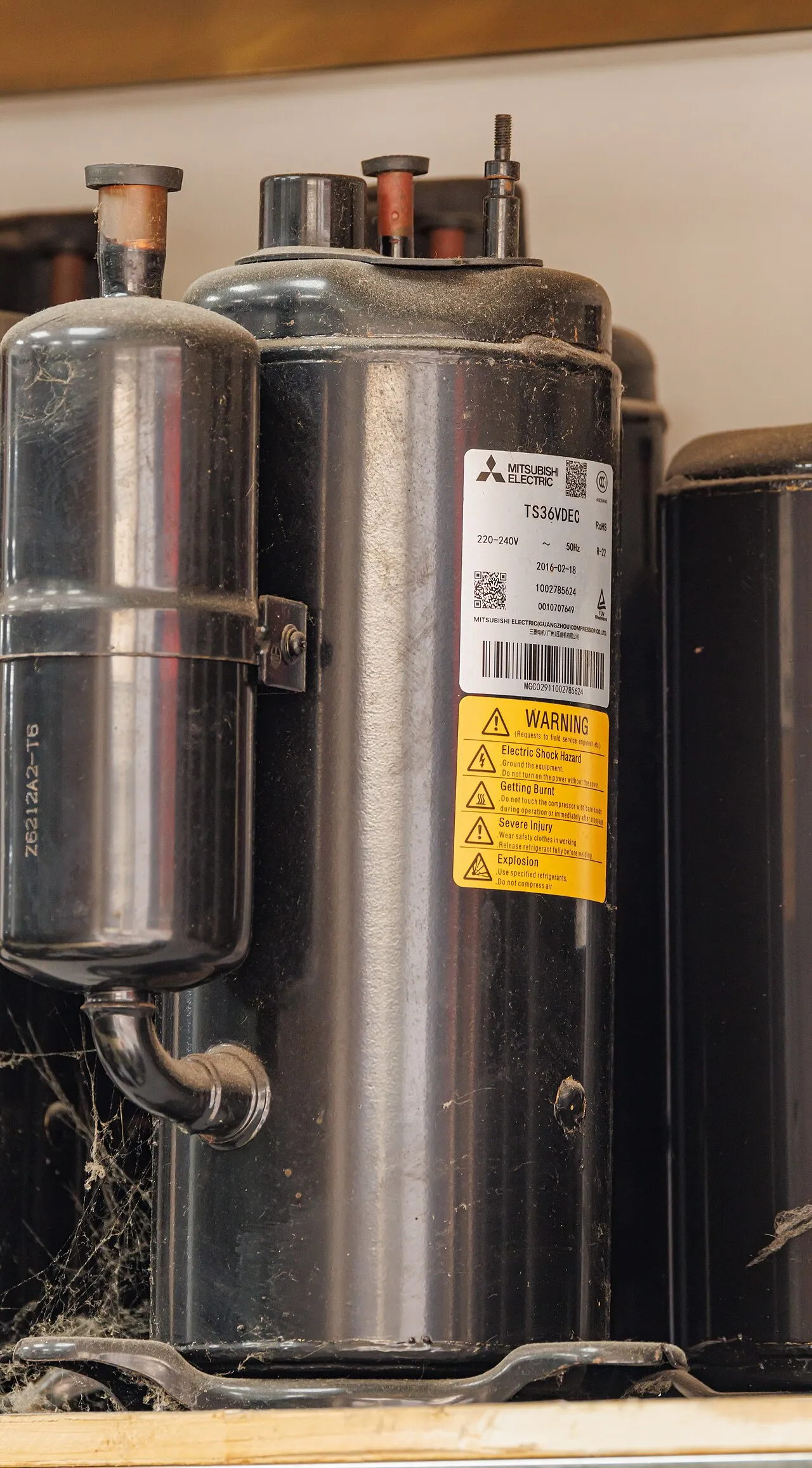
Photo: Dinkun Chen / Wikimedia Commons — CC BY-SA 4.0 ( source )
Should you repair or replace a failed compressor?
Use the 50% rule: if the repair cost exceeds 50% of what full replacement would cost, replacement is almost always the right decision. At New Braunfels replacement averages of $5,000 – $8,000, that threshold is roughly $2,500 – $4,000, a range compressor replacement often hits. Carrier (repair vs. replace)
| Figure | Range |
|---|---|
| New Braunfels full replacement average | $5,000 – $8,000 |
| 50% rule threshold (replace above this) | $2,500 – $4,000 |
| National compressor replacement range | $1,200–$3,000+ |
On a 14-year-old system near the DOE’s 18-year average lifespan, a $2,500 compressor repair buys only two to four more years before full replacement anyway. Paying $2,500 or more to repair a component in an R-410A system whose refrigerant is increasingly expensive to source is rarely the right long-term call. Get both a repair quote and a replacement quote before deciding.
- System under 5 years old.
- Compressor failure covered under manufacturer warranty.
- Rest of the system confirmed in good condition.
Repair or replace? Check your refrigerant.
Enter your system’s age and refrigerant for a straight answer that factors in the EPA refrigerant phase-out and the 50% rule. This is guidance, not a quote.
How this works, and what each refrigerant means
The recommendation weighs three things: how far through its 15–18-year service life the system is, whether its refrigerant is being phased out (which drives repair cost up over time), and the 50% rule — if a repair costs more than half of replacement, replacement is usually the better value. At New Braunfels’ replacement average of $5,000 – $8,000, that threshold is roughly $2,500 – $4,000.
- R-22 (Freon) Banned from production since 2020 Any repair that needs refrigerant is a strong replace signal — R-22 is scarce and costly.
- R-410A (Puron) New equipment banned since Jan 1, 2025 Still legal to service, but refrigerant and parts climb in price through the phasedown.
- R-454B / R-32 Current-generation refrigerants Installed in new systems — repair is normally the right call unless the compressor failed.
Sources: EPA AIM Act / HFC phasedown (R-410A 2025 equipment ban, 85% HFC cut by 2036), EPA R-22 phaseout (2020 production ban). System-life range reflects DOE figures for the hot-humid South.
What should you do before authorizing compressor work?
Take four steps before authorizing any compressor work: request a written diagnosis, check for manufacturer warranty on the data plate, get both a repair quote and a full replacement quote in writing, and verify the contractor's TDLR license. Do not authorize work under same-day pressure. tdlr.texas.gov (license search)
- Request a written diagnosis — what failed, why, and the full recommended repair scope.
- Check for manufacturer warranty — compressors commonly carry 5 to 10 year warranties, sometimes transferable. Check the data plate and call the manufacturer.
- Get both a repair quote AND a full replacement quote in writing. Any contractor who refuses to quote both has a conflict of interest.
- Check the TDLR license before you authorize anything. Do not authorize work under same-day pressure; a reputable contractor will give you 24 hours.
New to the area and not sure where to start? Our how-to-choose guide walks through license verification, certifications, and what a complete estimate looks like.
What causes a compressor to fail?
The three leading causes are chronic refrigerant leaks, dirty condenser coils, and short cycling or electrical issues. Each forces the compressor to overwork or overheat. Fixing the root cause matters, since replacing the compressor alone without addressing the underlying problem usually repeats the failure. Carrier (AC short cycling)
Chronic refrigerant leaks
Low refrigerant forces the compressor to overwork. If refrigerant has been added more than once, the leak is the real problem; adding refrigerant without fixing the leak is money gone.
Dirty condenser The outdoor unit that releases heat pulled from inside your home. Full definition coils
Overheating is a leading compressor killer. Central Texas dust, pollen, and cottonwood season foul coils faster than most climates. Annual coil cleaning prevents this.
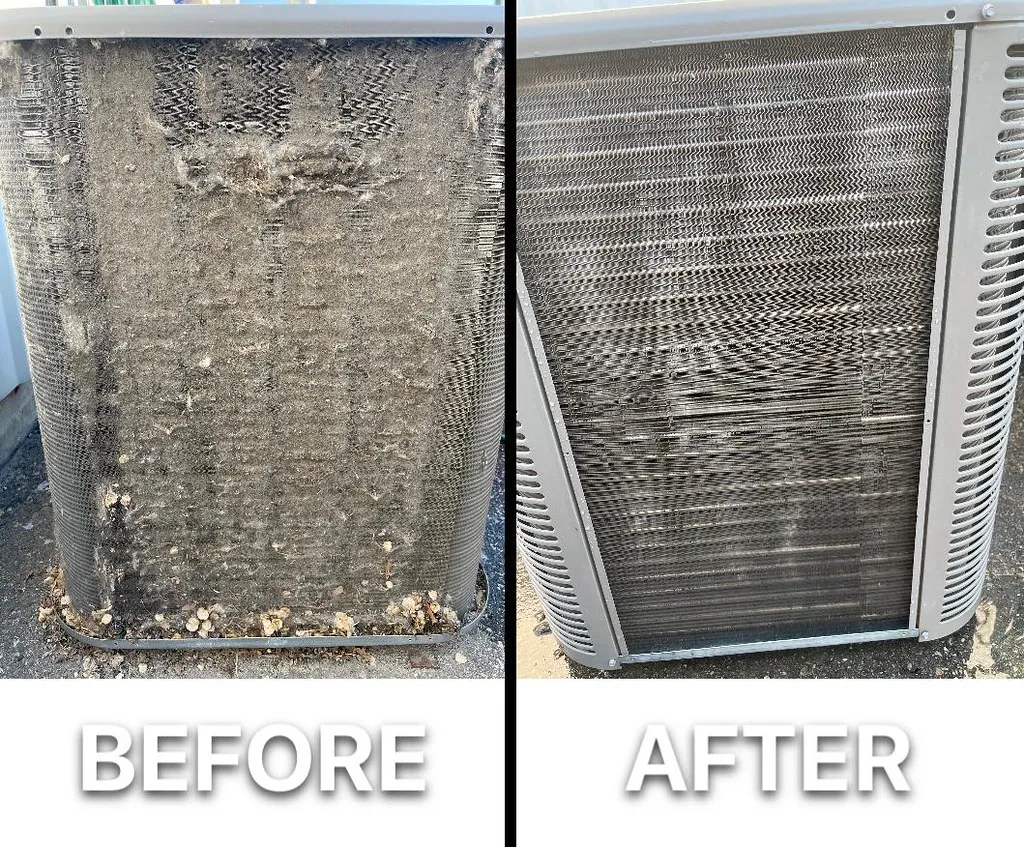
Photo: Vernon Air Conditioning / Flickr — CC BY 4.0 ( source )
Short cycling and electrical issues
Short cycling before failure can mean an undersized compressor or a refrigerant problem. Power surges damage compressors; a hard-start kit ($75–$200) can extend compressor life on aging systems.
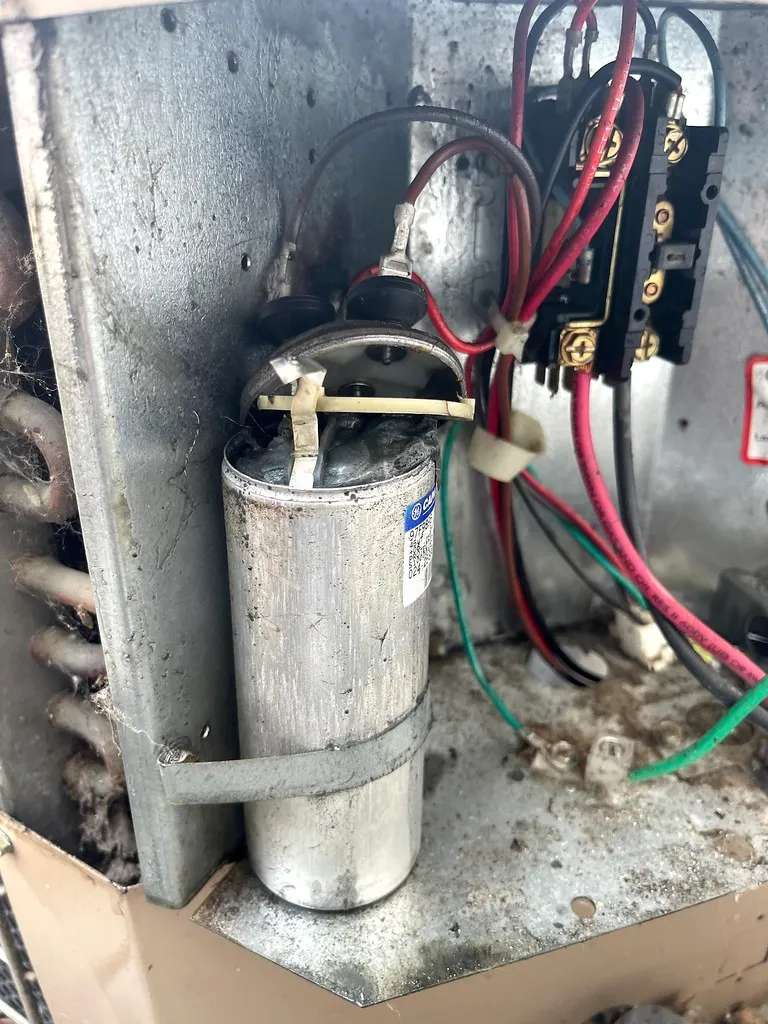
Photo: Vernon Air Conditioning / Flickr — CC BY 4.0 ( source )