New to New Braunfels? Your First-Summer HVAC Guide
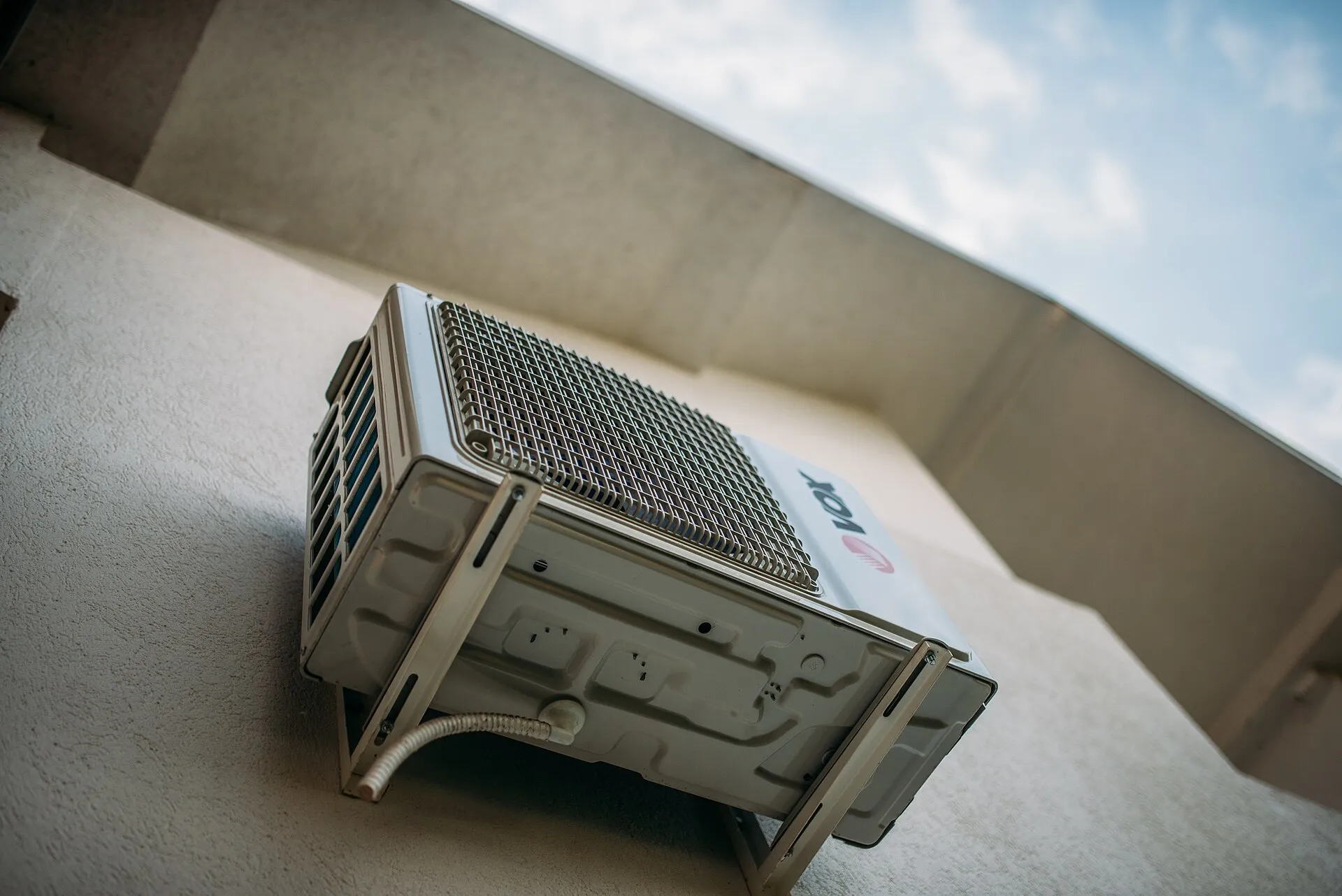
Photo: Shixart1985 / Wikimedia Commons — CC BY 2.0 ( source )
What is Central Texas heat actually like for your HVAC?
The average July high in New Braunfels is 96 to 98°F, with a heat index routinely 105 to 110°F. Humidity adds 10 to 15 degrees of perceived heat versus drier climates. AC season runs April through October, seven months of cooling load that demands a properly sized system. NWS Austin/San Antonio climate data (NOWData)
| Measure | Value |
|---|---|
| Average July high | 96–98°F |
| Typical July heat index | 105–110°F |
| Perceived-heat penalty from humidity | 10–15°F |
| AC season length | April–October (7 months) |
A system sized for Seattle or Denver may be undersized here. Central Texas load calculations account for latent (humidity) load, not just temperature. An undersized system runs continuously without reaching setpoint, which can wear a compressor out years early.
What should you check on your HVAC when you move in?
Find the data plate on the outdoor unit and note the manufacture year, refrigerant type, and SEER or SEER2 rating. In many brands the first two digits of the serial number are the manufacture year, though the format varies by manufacturer. Then locate the filter and check it immediately, since a clogged filter is the top preventable summer service call. EPA AIM Act (refrigerant phasedown)
Two things on the data plate tell you the most: the refrigerant type and the efficiency rating. A system running R-410A The refrigerant in most pre-2025 systems. Manufacturing of new R-410A systems was banned in 2025, so parts will get scarcer. Full definition (or older R-22) is on a phase-out clock, and the SEER2 A cooling-efficiency rating — higher means lower running cost. Texas’s legal minimum is 14.3; ENERGY STAR starts at 15.2. Full definition rating tells you how cheaply it cools. Run down the checklist below.
- System 10+ years old — plan for replacement within your ownership horizon.
- Running R-22 — phased out in 2020. Budget for replacement.
- Running R-410A — new-system manufacturing banned Jan 1, 2025. Repairs will get pricier.
- Locate and check the filter immediately — a clogged filter is the #1 preventable summer service call.
- Short cycling — runs under 10 minutes per cycle in peak heat.
- Ice on the refrigerant lines.
- Standing water in the drain pan.

Once you’ve found the data plate and the filter, set the thermostat and watch how the system responds over the first week: short cycling or weak airflow in the heat is your cue to call a pro before peak summer.
How do you build a contractor relationship before you need one?
Book a pre-season tune-up in April, covering coil cleaning, refrigerant pressure check, capacitor test, drain-line flush, and thermostat calibration, for a typical $75 to $150. April calls get same-week slots, while summer backlog means three-to-five-day waits in July. Decisions made under a 110°F heat index are rarely the optimal financial choice. ENERGY STAR maintenance checklist
- Filter replacement
- Coil inspection and refrigerant pressure
- Drain-line flush and capacitor test
- Thermostat calibration and blower-motor check
Ask the technician what refrigerant type the system runs, the manufacture date, anything to watch before next summer, and the response time for emergency calls in July.
How do you find a vetted contractor as a newcomer?
Start with neighbor referrals, then always verify the license before anyone touches your system. Texas requires every HVAC contractor to hold a TDLR license, and unlicensed contractors advertise freely online, so a recommendation is a starting point, not proof. Confirm the license is active on the TDLR lookup before you hire. tdlr.texas.gov (TDLR licensing)
Nextdoor and Facebook group recommendations are a useful starting point, not an endpoint. Ask neighbors who have lived in New Braunfels through at least one summer. Then check them against the licensed-contractor list — and work through our how-to-choose guide for the full vetting checklist.